
PW Developments — If you’re on the hunt for an investment that’s both exciting and promising, Uluwatu deserves a serious look. This corner of southern Bali used to be known mostly as a surf spot with jaw-dropping cliffside sunsets. But these days? Uluwatu has quietly become one of the hottest property investment hotspots in Bali, and arguably in Indonesia as a whole.
Curious why so many investors, both local and international, are setting their sights on this area? Let’s break it down.
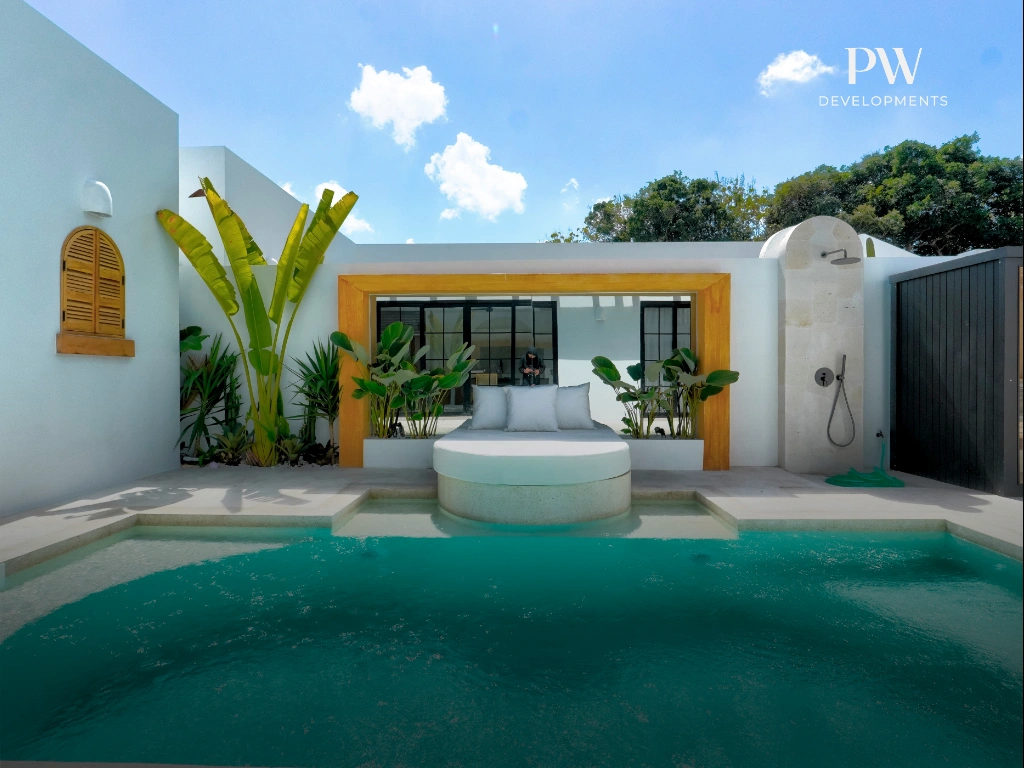
Why Is Uluwatu Suddenly So Popular?
Over the past few years, Uluwatu has gone through a pretty dramatic transformation. The roads used to be quiet, but now they’re lined with beach clubs, aesthetic cafés, and luxury villas hugging the cliffs. This didn’t happen by accident.
Here are a few reasons behind the buzz:
1. An unbeatable location with unmatched views
Uluwatu combines dramatic cliffs, world-class waves, and Instagram-worthy sunsets. That specific combination is rare and hard to find anywhere else in Bali.
2. Steadily improving infrastructure
Roads keep getting upgraded, and the area’s relative proximity to Ngurah Rai Airport (about 30-40 minutes) makes Uluwatu increasingly accessible for both tourists and expats.
3. A shift in traveler preferences
Tourists these days want calm surroundings that still feel current and stylish. Uluwatu offers exactly that—not as crowded as Canggu, but not as sleepy as eastern Bali either.
4. Strong rental demand
Villas in Uluwatu tend to enjoy fairly stable occupancy rates year-round, especially thanks to the growing number of long-stay travelers and digital nomads who end up sticking around longer than planned.
▶ Source: https://bali.bps.go.id

Types of Properties Worth Considering
If you’re thinking about investing in Uluwatu, here are some of the most common options:
- Private villas with pools — ideal for daily or monthly rentals to tourists
- Guesthouses or small boutique hotels — higher capital needed, but generally more consistent cash flow
- Vacant land for development — great if you want full control over design and execution
- Units within villa complexes (leasehold) — a more accessible entry point for first-time investors
Each option comes with its own risk and return profile, so it’s important to match your choice with your goals and budget.

What You Absolutely Need to Check Before Buying
This is the part that often gets overlooked. Property investment in Bali—including Uluwatu—comes with rules that differ quite a bit from what you’d find in major cities elsewhere.
Land ownership status
Foreign nationals generally can’t hold full freehold title (SHM) over land in Indonesia. The common workaround is a leasehold arrangement (typically 25-30 years with extension options), or setting up a PT PMA (foreign-owned company) if the property is intended for commercial use.
Zoning and land designation
Not every piece of land in Uluwatu can be freely developed. There are green zones, agricultural zones, and zones specifically designated for tourism. This needs to be verified through official documents before any transaction.
Document legality
Make sure land certificates, building permits (IMB/PBG), and other supporting documents are complete and valid. Many property disputes in Bali actually trace back to unclear documentation from the very beginning.
Work with trusted notaries and consultants
Don’t just take a property agent’s word for it. Always involve a notary (PPAT), and if needed, a legal consultant who genuinely understands Bali’s property regulations, especially those concerning foreign ownership.

Estimated Capital and Potential Returns
Property prices in Uluwatu vary quite a bit depending on exact location (cliffside or beachfront tends to command a premium), land size, and legal status. As a general benchmark, a 2-3 bedroom villa in a strategic location can start from several billion rupiah under a mid-term leasehold scheme.
As for returns, many investors report fairly competitive annual rental yields compared to major Indonesian cities, especially when the property is well-managed and marketed through the right platforms.
That said, these figures can shift depending on market conditions, so don’t let FOMO be your only strategy. Up-to-date market research and consultation with people who genuinely know the ground realities remain essential steps.
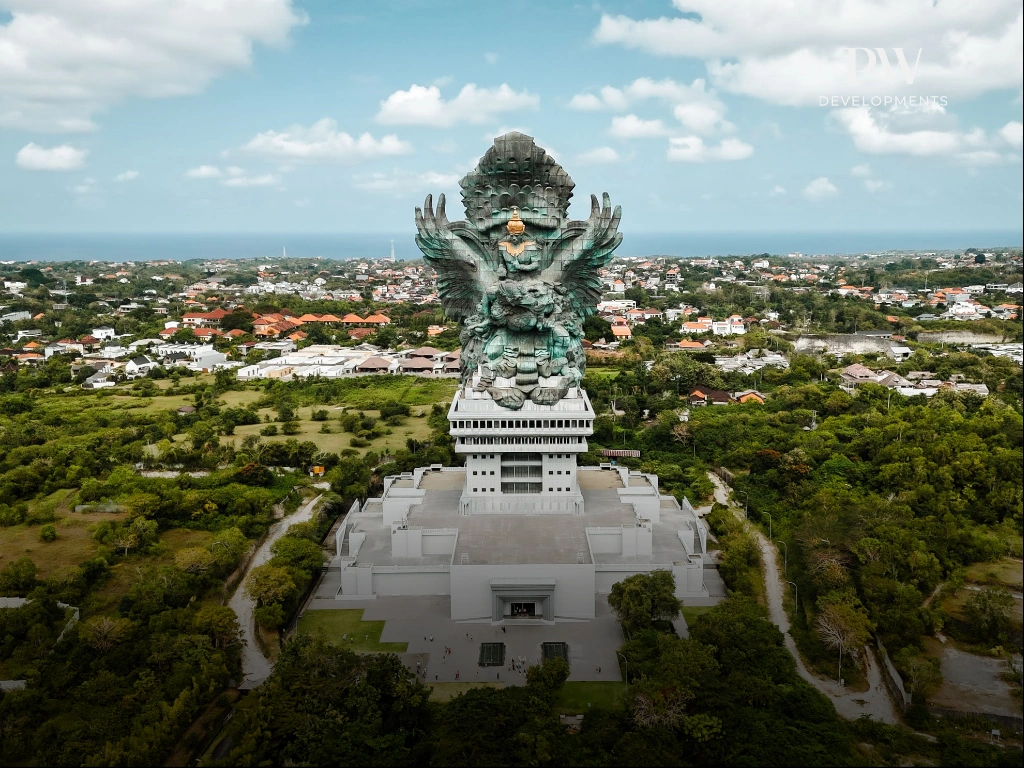
Conclusion: The Opportunity Is There, But It Takes Strategy
Uluwatu genuinely offers an attractive investment opportunity—a combination of an iconic location, growing tourism demand, and property values that have shown steady appreciation over time. But like any property investment, the key isn’t just “buying now while it’s hyped,” it’s about thorough research, secure legal standing, and a clear long-term strategy.
If you’re serious about entering this market, take the time to visit in person, talk to a few local agents and consultants, and compare multiple options before making a decision. A good investment isn’t the fastest one—it’s the one you’re most prepared for.

Ready to Take the Next Step? Talk to PW Developments
Once you’ve done your homework, having the right partner on the ground makes all the difference. PW Developments specializes in premium real estate and investment opportunities in Uluwatu, Bali, offering a curated portfolio of villas and land designed for investors who want both strong returns and peace of mind.
What sets PW Developments apart is their end-to-end approach: from identifying prime, legally sound land, to design and construction, all the way through to property management and rental optimization once the project is complete.
For investors who want the upside of Uluwatu’s growth without navigating every legal and logistical detail alone, PW Developments offers a streamlined path into one of Bali’s most promising property markets.
Whether you’re looking for a turnkey villa investment or a custom-built project on prime land, it’s worth reaching out to PW Developments to explore what’s currently available and how they can help align an investment with your specific goals.
Note: This article is intended for general informational purposes and does not constitute legal or financial advice. Always consult with a notary, tax advisor, or property law expert before making any property investment decisions.
Published by
Marketing Team of Pillai Ward